BASIC for behavioral interviewing
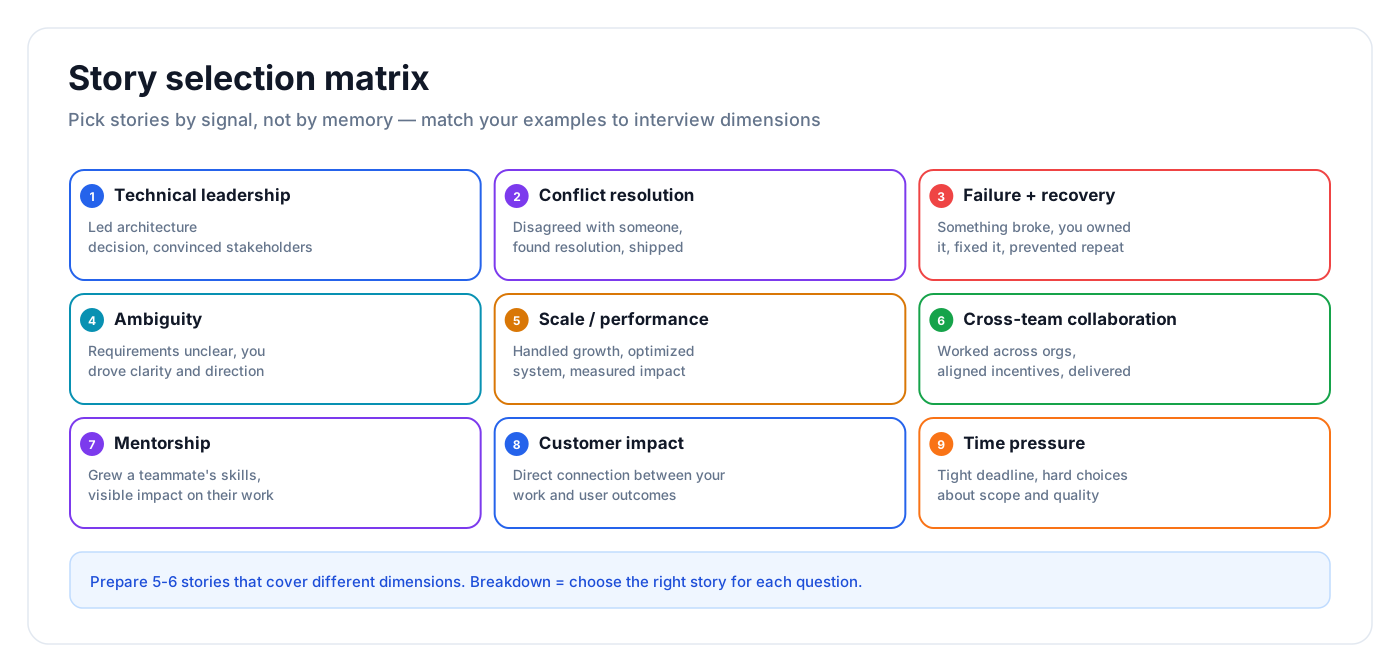
BASIC should not replace STAR in classic behavioral interviewing.
But it is excellent for behavioral preparation, story selection, and technical follow-up handling.
That distinction matters.
Where BASIC helps most
BASIC improves behavioral performance in four places:
- building a story bank
- choosing the right story under pressure
- tightening the answer before delivery
- handling technical drill-down after the story
Breakdown: classify your experience before you memorize it
Build a story inventory by theme:
- ownership
- conflict
- failure
- ambiguity
- scale
- customer impact
- technical leadership
- difficult trade-offs
That is better than trying to remember random anecdotes.
Assess: choose the best example, not the first example
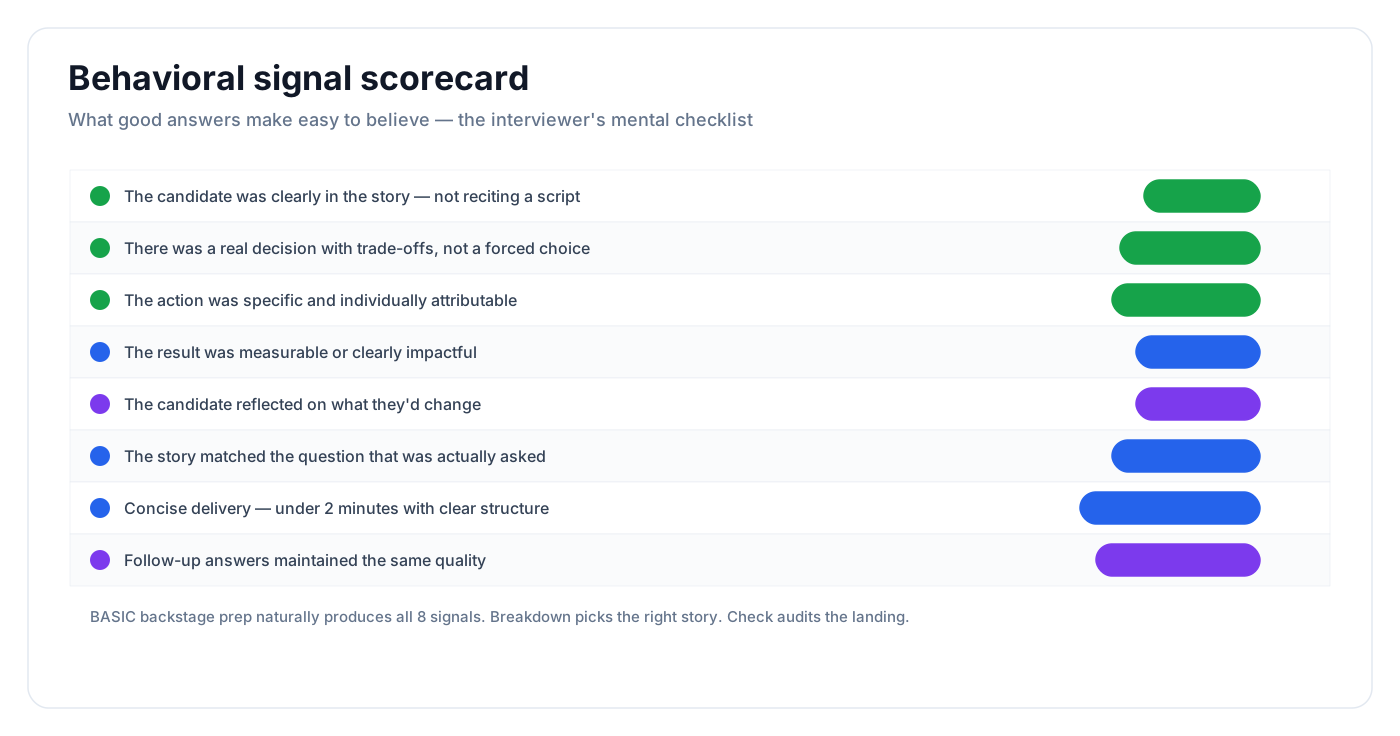
When the interviewer asks a question, assess your options by asking:
- Which story shows the clearest ownership?
- Which story contains a real decision?
- Which story has measurable impact?
- Which story can survive follow-up questions?
- Which story most closely matches the underlying trait being tested?
That selection step is where a lot of behavioral quality is won or lost.
Structure: use STAR, but use it sharply
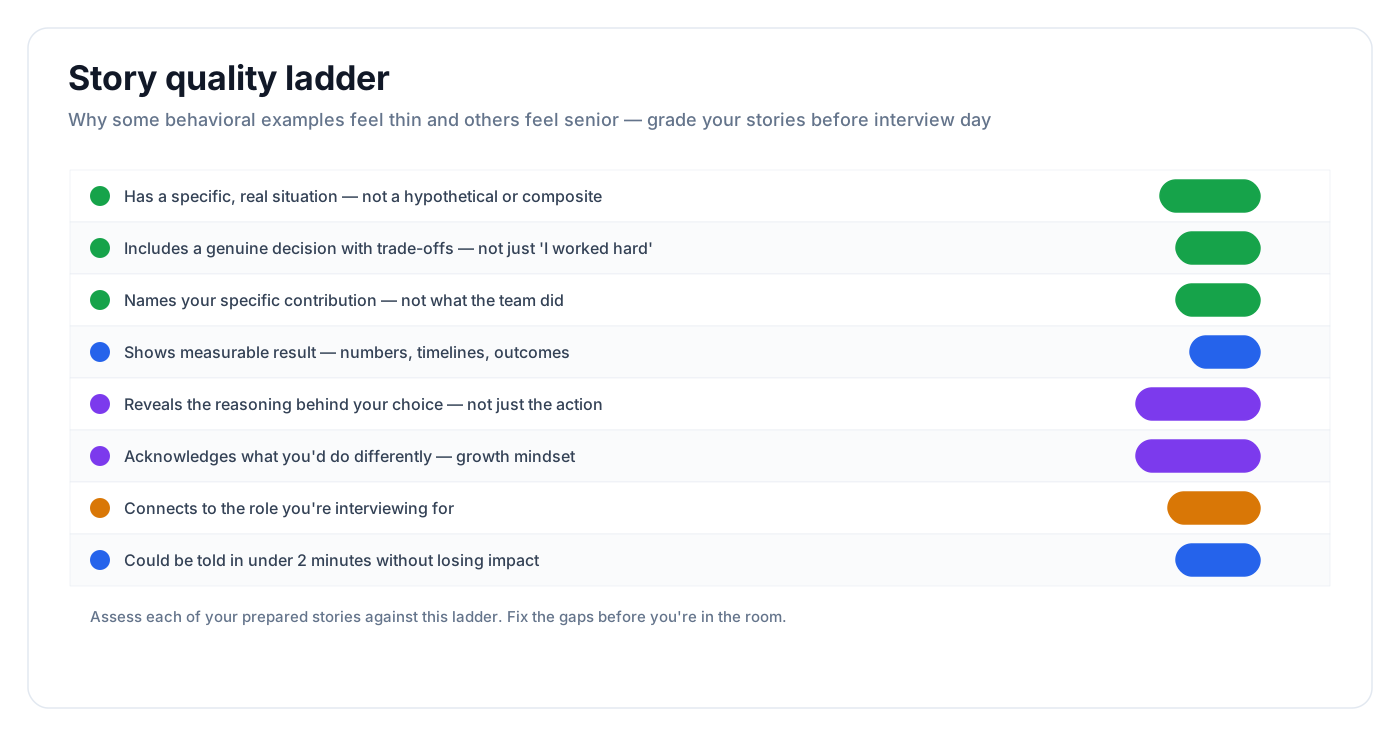
Once the story is chosen, STAR is still the cleanest delivery frame:
- Situation
- Task
- Action
- Result
BASIC strengthens that delivery by forcing you to check whether the story actually contains:
- context that matters
- your real ownership
- the hard choice
- the measurable result
- the lesson or reflection
A huge number of weak behavioral answers are weak because one of those is missing.
Implement: answer like a person, not a template
Use structure, but do not sound mechanical.
The goal is not to say “now I am on Result.”
The goal is to sound coherent, concrete, and believable.
Check: fix thin stories before the interview does
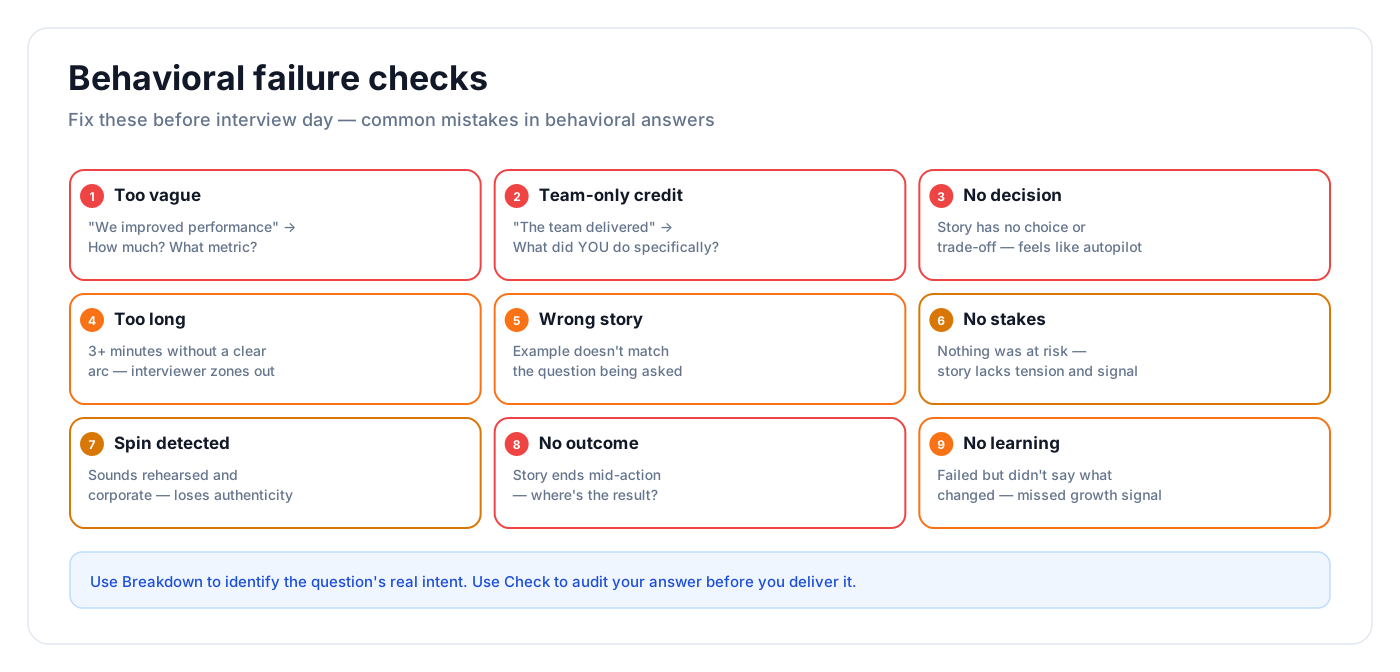
Before interview day, pressure-test each story:
- Is there a real decision?
- Did I own the outcome?
- Are there numbers or evidence?
- Did I explain why the choice was hard?
- Could I survive five minutes of follow-ups?
The underrated use case: technical follow-ups
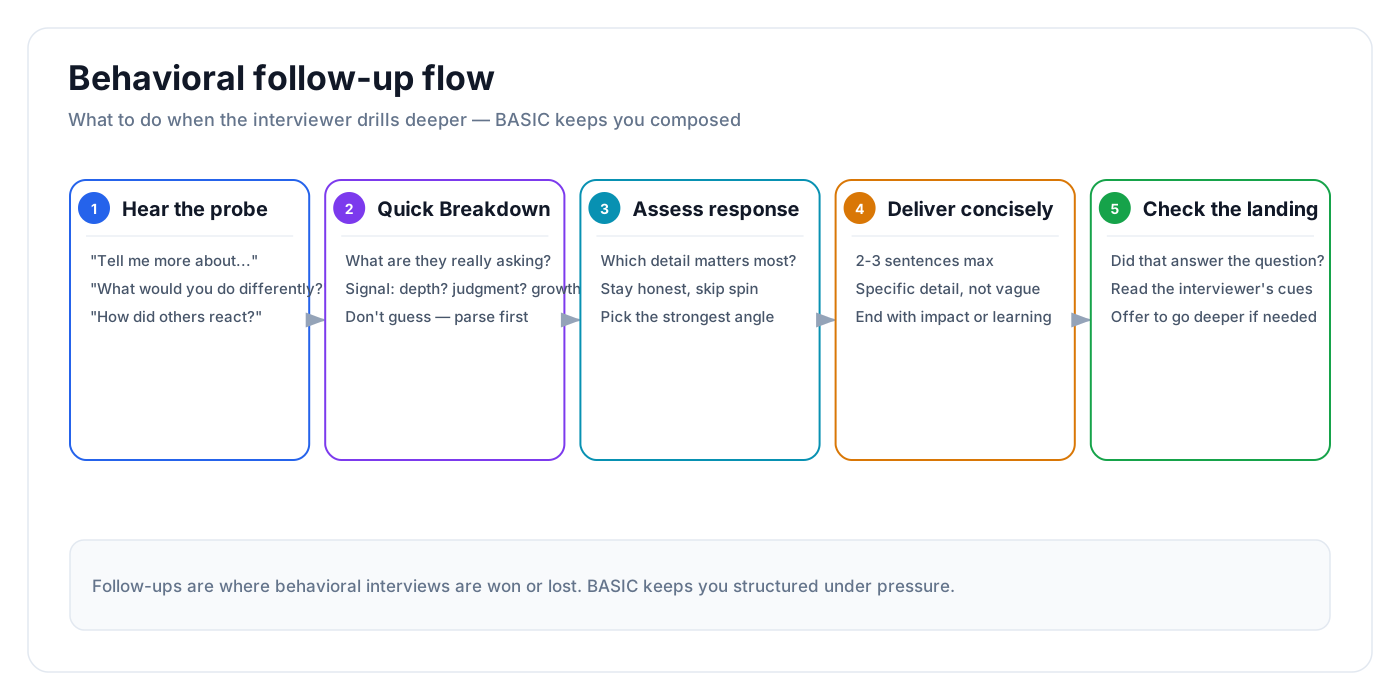
Many behavioral rounds do not stay purely behavioral. The interviewer often asks:
- Why did you choose that design?
- What alternatives did you reject?
- How did you know the fix worked?
- What failed first?
- What would you change now?
That is where BASIC comes back onstage.
Use STAR for the story.
Use BASIC for the technical reasoning inside the story.
The one-sentence version
Behavioral BASIC = use BASIC to build, choose, and sharpen the story; use STAR to tell it; return to BASIC when the interviewer drills into the decision.
That is the cleanest hybrid.