BASIC for AI-assisted research in 2026
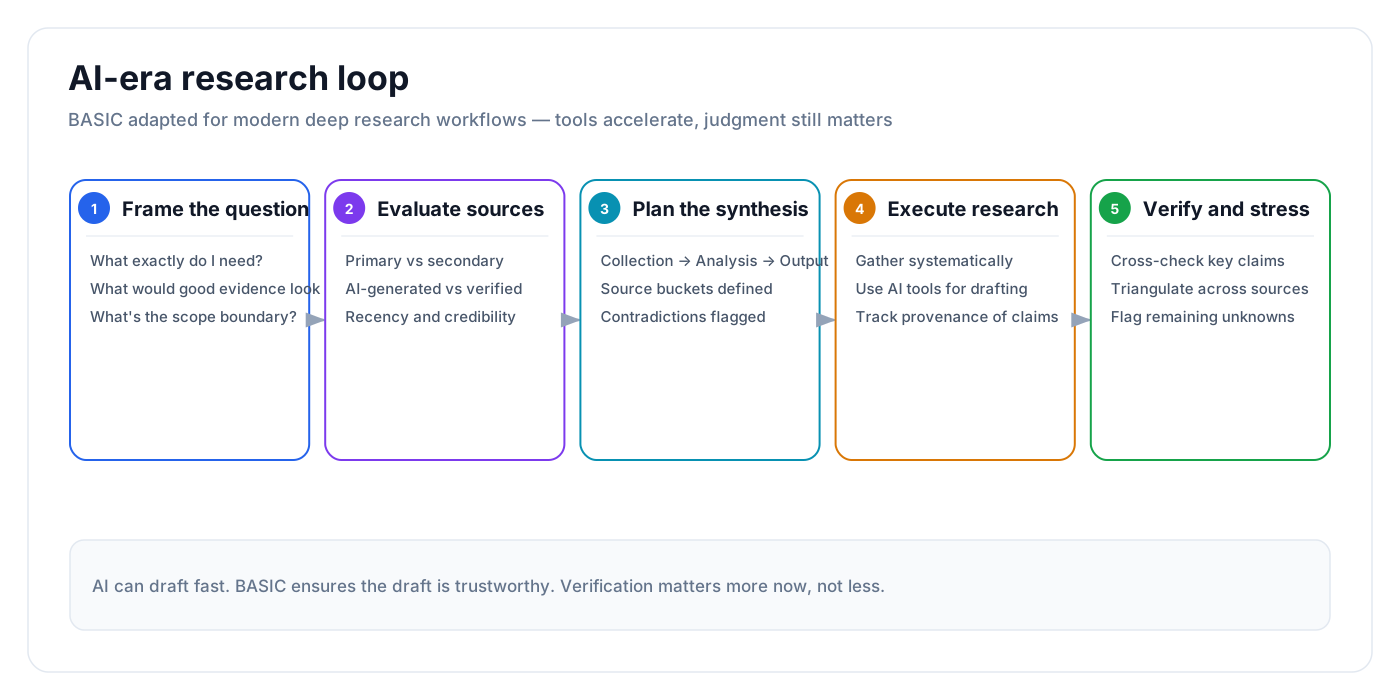
AI-assisted research is faster than older research workflows, but it is also easier to derail.
The new danger is not only missing information.
The new danger is getting a polished answer that drifted from the real question, leaned too hard on one source family, or skipped verification because the summary sounded convincing.
BASIC is useful here because it creates a disciplined path from question to evidence to decision.
Breakdown: define the actual research job
Good research Breakdown answers:
- What decision is this research for?
- What is in scope and out of scope?
- What would count as strong evidence?
- What would change the recommendation?
- Which assumptions look fragile?
Most bad research begins with a question that is too broad, too vague, or too disconnected from a real decision.
Assess: choose sources and risk posture deliberately
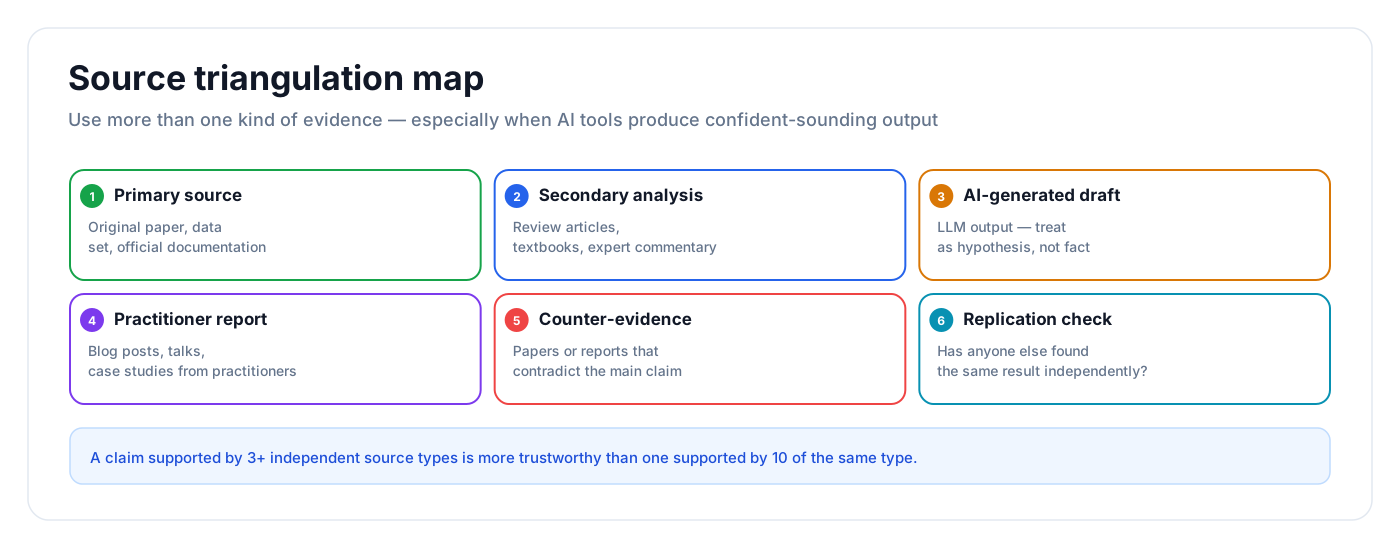
AI makes it easier to gather material. That does not remove the need to judge it.
Assess means asking:
- Which sources are primary?
- What needs current information?
- What needs historical depth?
- What should be trusted only if independently confirmed?
- Where could recency, authority, or incentive create bias?
A useful rule is to balance:
- primary documentation
- reputable third-party analysis
- data or research where available
- your own internal files when relevant
Structure: convert a vague ask into a plan
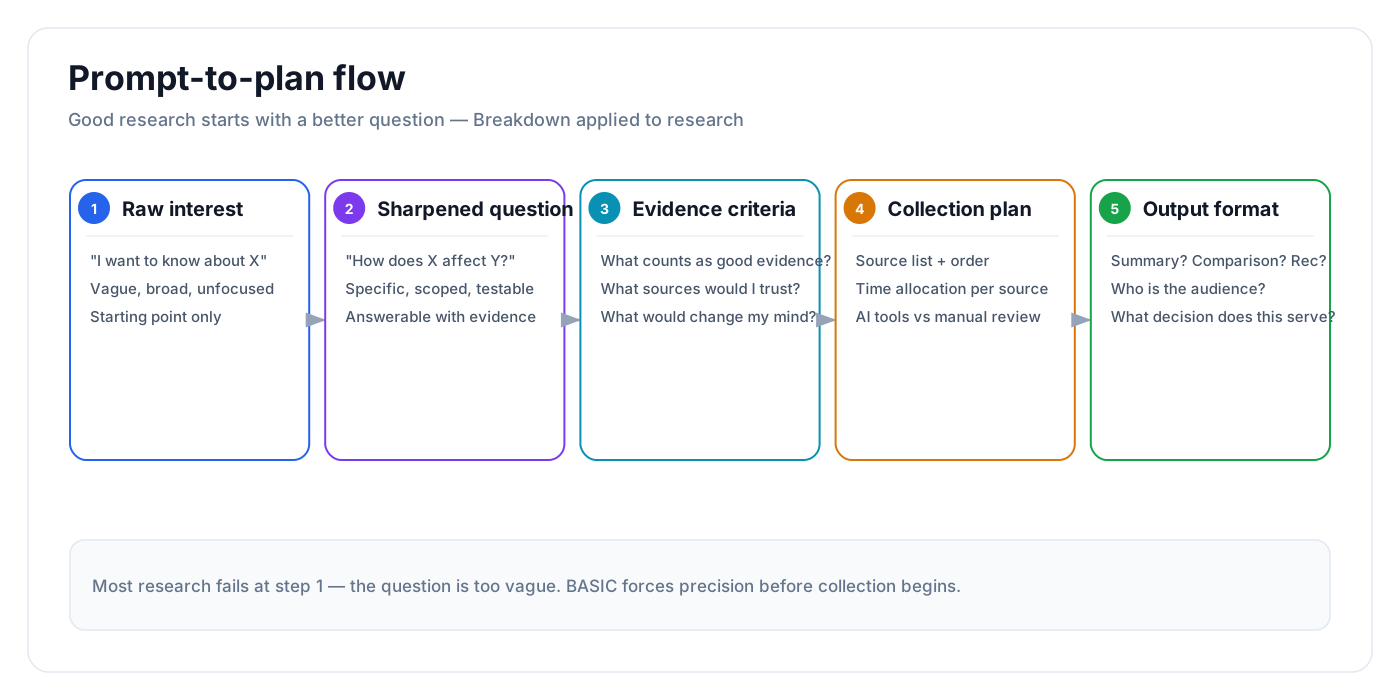
Once the question and source strategy are clear, create a plan:
- sub-questions
- source buckets
- comparison criteria
- expected output shape
- what must be cited or directly supported
This is the phase where research stops being “search until something looks good.”
Implement: collect, compare, and synthesize
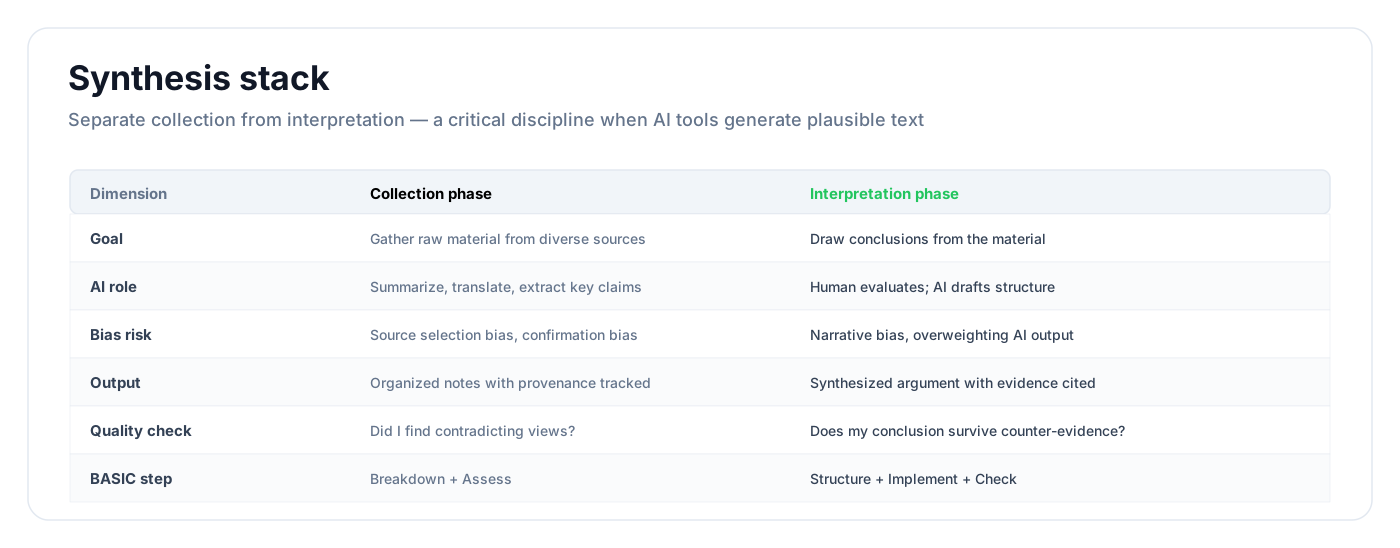
Implementation in research does not mean copying facts into a memo.
It means:
- extracting evidence
- comparing contradictory claims
- grouping findings by the decision they affect
- separating raw evidence from interpretation
- drafting a report that someone else can inspect
AI is very good at acceleration here.
It is not automatically good at judgment.
Check: verify what the polished answer is asking you to trust
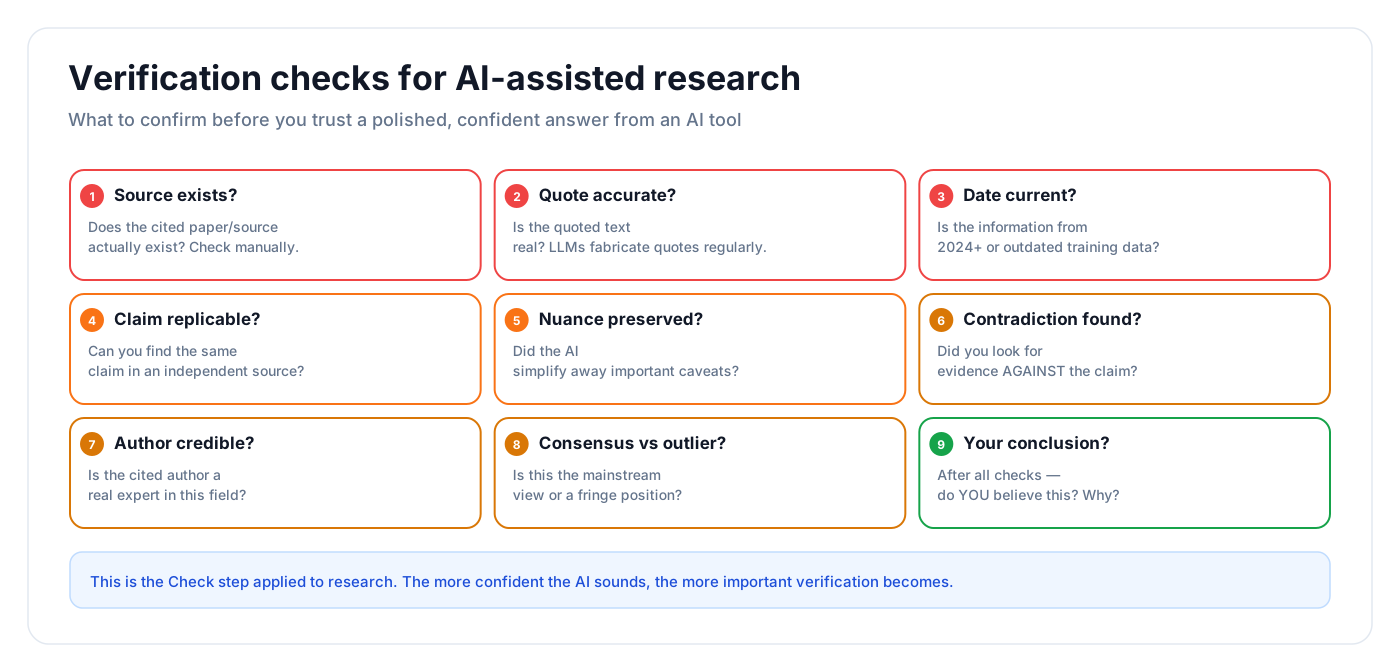
Check is the phase that matters most in modern research.
Ask:
- Does the claim match the source?
- Is the source current enough?
- Did the answer quietly switch definitions?
- What assumptions were never validated?
- Where is uncertainty still real?
The best research outputs do not pretend uncertainty disappeared.
They make uncertainty visible enough to act responsibly.
Why BASIC fits the AI era so well
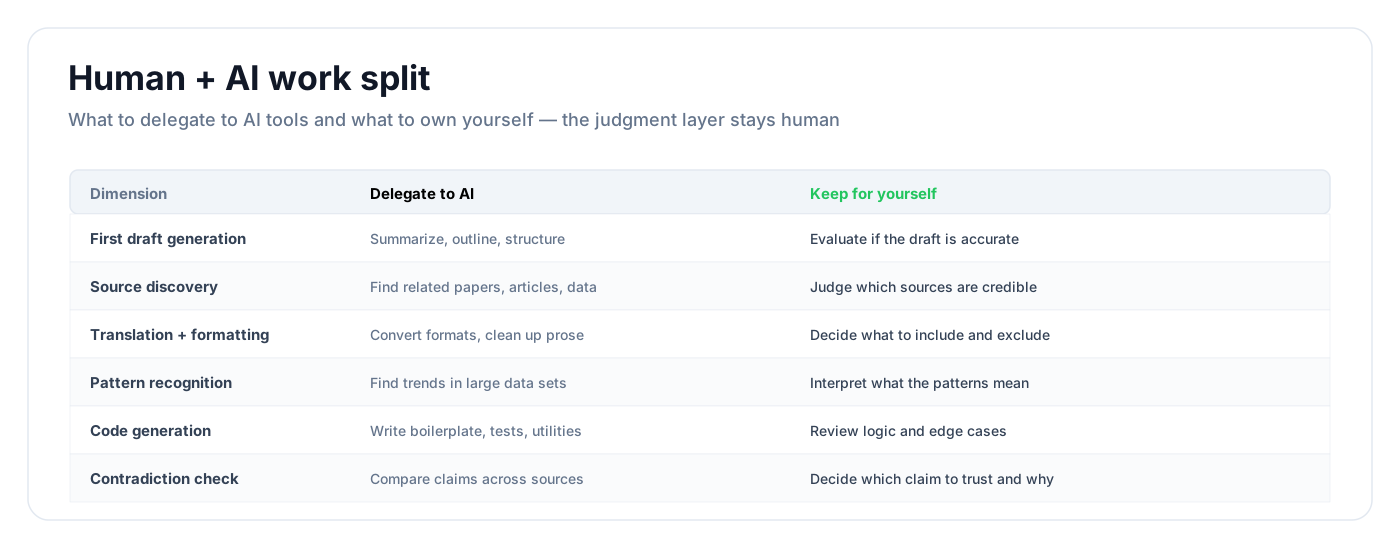
AI lowers the cost of collection and drafting.
That raises the relative importance of:
- question quality
- source control
- evaluation
- synthesis discipline
- verification
Those are BASIC moves.
BASIC therefore works well as the human control layer around AI-assisted research:
- humans set scope and risk posture
- tools gather and compare
- humans decide what actually counts
- tools help draft
- humans verify and convert research into action
The one-sentence version
Research BASIC = define the decision, judge the sources, plan the work, synthesize the evidence, verify before you act.
That is why the framework transfers cleanly into AI-assisted research.