Basic Framework
Implementexecutionresearch-cardFirst-Person Journey

Execution Card 489 — Managing Time / Implement
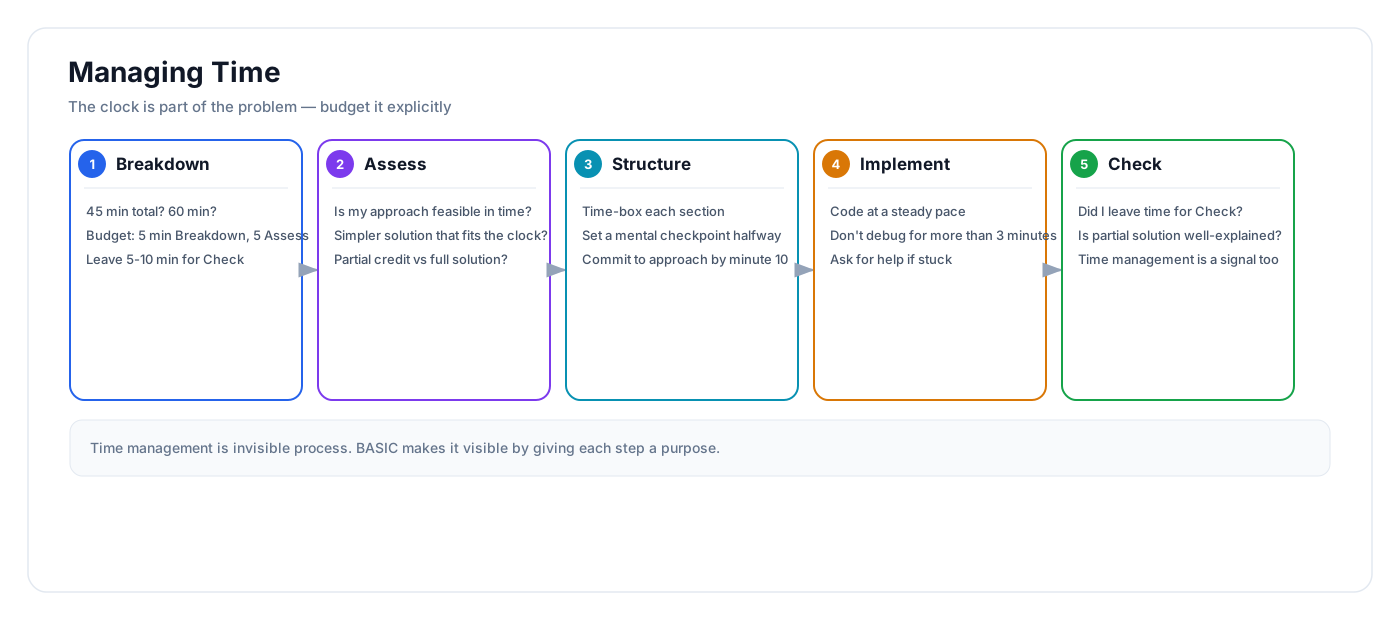
Managing Time — BASIC step map

Situation

Technical rounds reward pacing, not just correctness. The risk is straightforward: Overspending on one phase creates a rushed implementation or no validation at the end.

The structure is the strategy.

Why the Implement step matters here

At this moment, BASIC asks you to execute the chosen plan in controlled order. That matters because interview performance is often lost not to lack of knowledge, but to loss of sequence.

BASIC move

In this situation, the best move is to transcribe the plan instead of improvising. Use the stage question as a control prompt: How do we write or walk through the solution one stable layer at a time? That keeps the interview from becoming reactive.

Practice script

“In the managing time moment, I am at the Implement stage, so my next job is to transcribe the plan instead of improvising, not to skip ahead.”

Failure pattern

When candidates ignore this stage, they often create the very confusion they were hoping to avoid. BASIC works here because it converts an emotional moment into a procedural one.

Execution discipline
The best implementations are boring. They follow the structure step by step, without clever detours. If you find yourself innovating during implementation, that's usually a sign the Structure step was incomplete. Go back and fill the gap rather than improvising forward.

References

S9 S10 S11

Related in First-Person Journey

January 12, 2023

A first-person story of using BASIC from start to finish in SWE interviewing

This is a realistic firstperson composite story based on common softwareengineering interview patterns.

November 28, 2025

Execution Card 456 — Opening the Problem / Breakdown

The first minute of an interview determines whether the rest of your answer feels controlled or improvised. The risk is straightforward: If you rush straight into solution mode,…

November 30, 2025

Execution Card 457 — Opening the Problem / Assess

The first minute of an interview determines whether the rest of your answer feels controlled or improvised. The risk is straightforward: If you rush straight into solution mode,…