Theory Card 060 — State Modeling / Check
Research lens
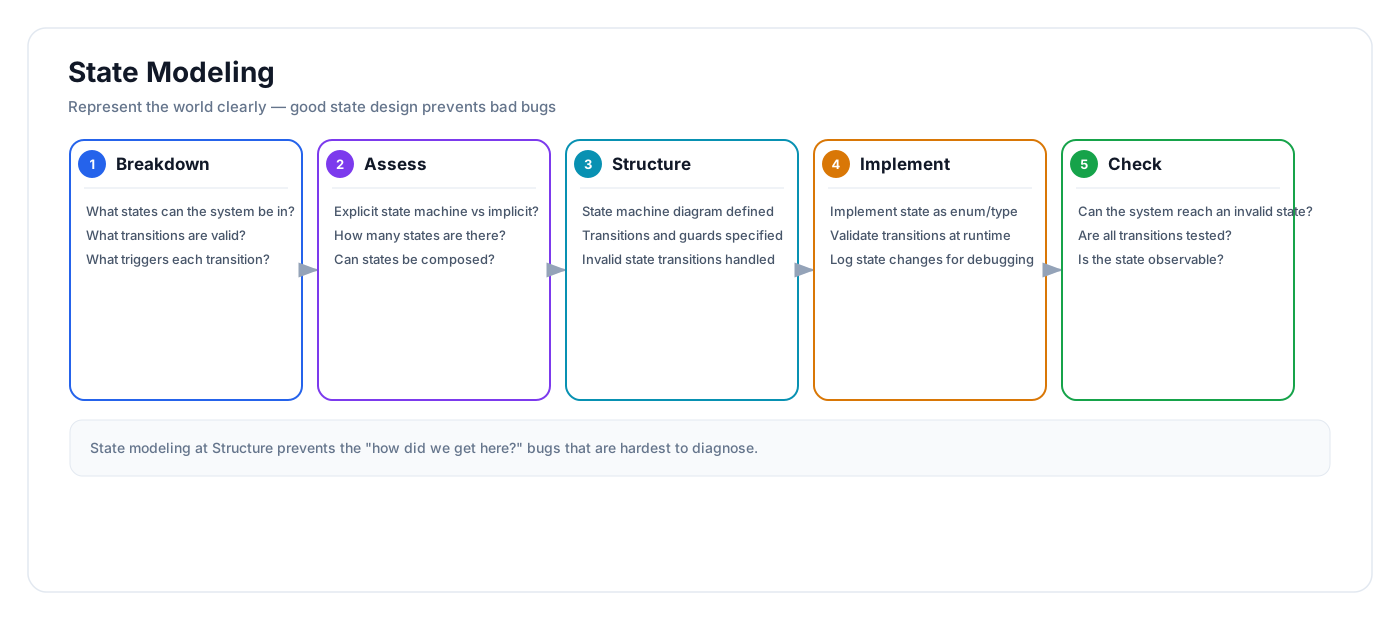
State modeling is the discipline of naming the information that must be carried forward for a solution to work. In the Check stage of BASIC, the goal is to verify correctness, quality, and risk. That makes this concept especially relevant here, because it shapes how much mental work the candidate is trying to carry at once and what gets made explicit.
Why it matters in SWE interviews
This appears in recursion parameters, DP tables, graph visit states, caches, and system components that hold truth. Assess and Structure together are where the candidate decides what state exists, who owns it, and how it changes. In practice, Check is where the candidate should ask: Does the answer actually satisfy the prompt, handle edge cases, and survive scrutiny? That question acts like a cognitive boundary. It protects the answer from turning into an unstructured search.
BASIC move
A strong move here is to review and stress-test before you hand the answer over. For State Modeling, that means deliberately naming the important units instead of juggling them implicitly. The interviewer sees cleaner reasoning, and the candidate benefits from creates a verification loop instead of assuming success.
Common miss
The miss is burying important state in ad hoc variables without first explaining the model. When that happens, the candidate usually feels busy, but the answer is actually becoming less inspectable.
Practice prompt
“While practicing, pause at the Check step and explain how State Modeling changes the way you would handle the prompt.”